Best Stroller-Accessible Trails Near Prague
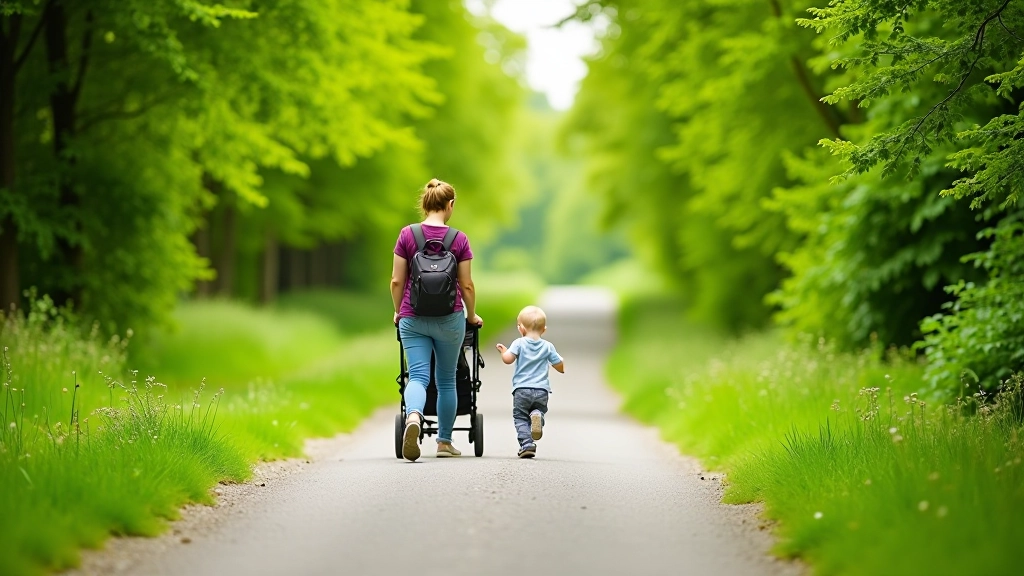
Five excellent trails within 30 minutes of the city where you can push a stroller without fighting rocky sections or steep climbs.
Read ArticleA practical guide covering trail difficulty, what to pack, weather considerations, and how to keep everyone happy on the walk.

Not all trails are created equal. Before you pack everyone into the car, it’s important to understand what “beginner-friendly” actually means. We’re talking about factors like elevation gain, surface conditions, distance, and how many rest spots exist along the way.
A trail marked as easy might still have rocky sections or steep drops. Some “moderate” paths are totally fine for kids if they’re short — maybe 2-3 kilometers total. The key is matching the trail to your family’s actual fitness level, not just what the guidebook says.
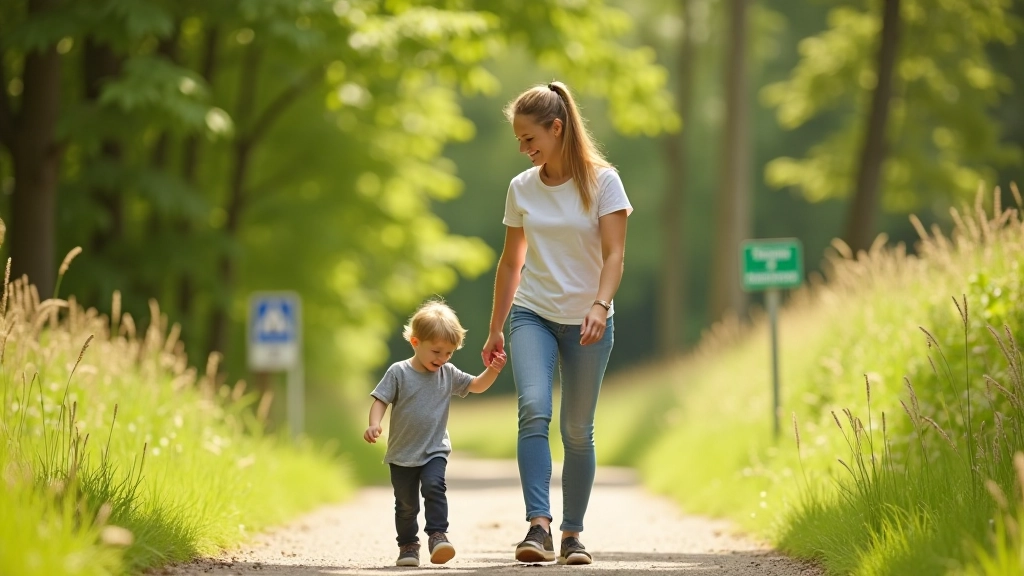
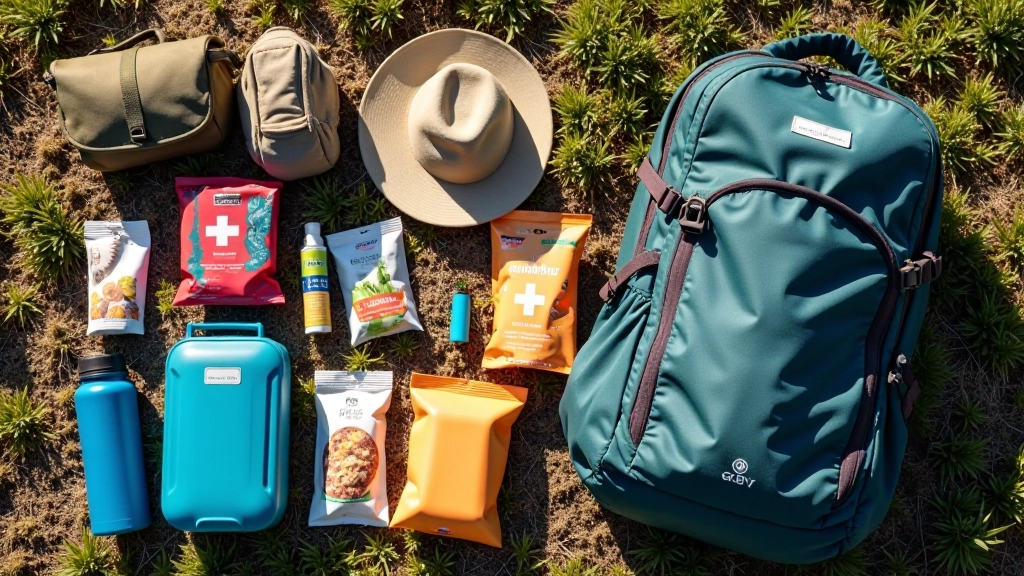
You don’t need expensive gear to enjoy a family trail. What you do need is realistic thinking about what’ll actually keep everyone comfortable. We’ve seen families show up with elaborate backpacks and give up after 20 minutes because they’re exhausted.
Water’s non-negotiable — bring more than you think you’ll need. Kids get thirsty faster than adults, and dehydration makes everything feel harder. Pack snacks that aren’t too sweet (they spike energy then crash). Bring sun protection even on cloudy days. A small first aid kit handles the inevitable scraped knee.
Don’t overpack entertainment. Let kids collect leaves, look for insects, or spot birds. That’s actually more engaging than bringing tablets or toys.
This guide is educational and informational in nature. Trail conditions change seasonally and weather can affect safety. Always check current trail conditions with local park authorities before heading out. Weather forecasts are unpredictable — bring layers and adjust your plans if conditions worsen. If anyone in your group has health concerns, consult appropriate professionals before attempting outdoor activities. Every family’s needs are different, so adapt these suggestions to your specific circumstances.
Rain isn’t always a dealbreaker. Light drizzle on a flat trail? That’s often fine. Heavy rain combined with elevation gain? Not happening. You need to learn the difference between inconvenient and genuinely risky.
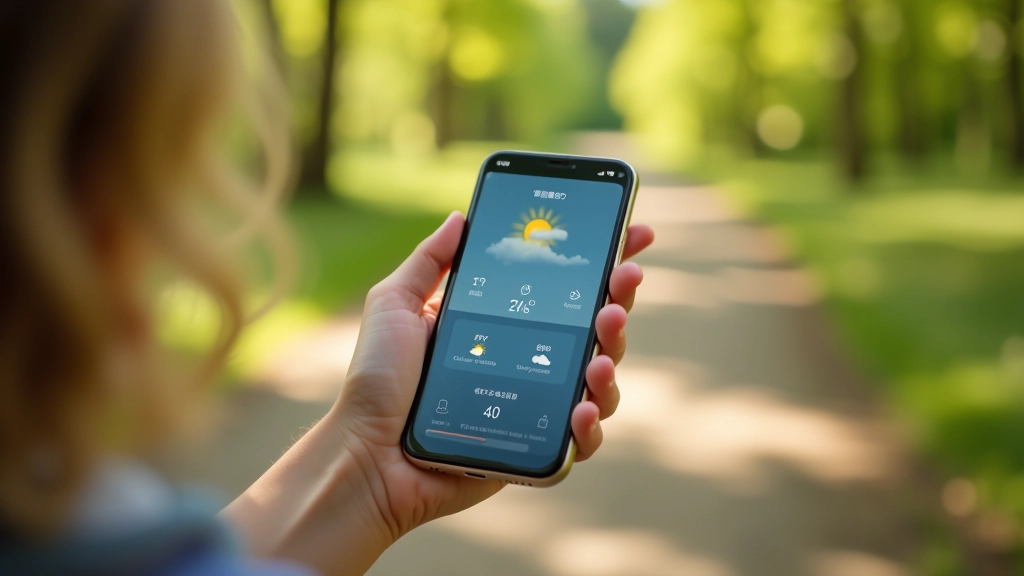
Check forecasts the night before and the morning of your walk. Temperature matters too — if it’s 8C and windy, kids will get cold faster than you’d expect. Plan to start early when you’ve got maximum daylight. Most family trails should be completed well before dusk.
Ground conditions matter enormously. A trail that’s muddy after rain might be slippery and dangerous. Frozen trails in winter are a completely different challenge. Many families don’t realize their shoes are the problem — kids slip in sneakers on wet trails. Proper footwear costs about 30 and prevents 90% of trail frustrations.

The biggest mistake families make is expecting kids to just enjoy walking. That’s boring. What actually works is giving them something to do. Make it a treasure hunt — find five different leaf shapes. Count how many birds you hear. Look for animal tracks. Suddenly the walk isn’t about distance; it’s about discovery.
Timing matters. A 4-year-old’s happy limit is about 5 kilometers max, and that’s on a good day. Older kids can handle 8-10 kilometers if there’s something interesting happening. Build in a real break — sit down, eat, drink water. That 15-minute pause resets everyone’s energy.
Be realistic about turnaround points. If someone’s struggling halfway through, heading back isn’t failure — it’s smart planning for next time. You’ll learn what your family actually enjoys, and that knowledge makes the second and third trail infinitely better than the first attempt.
The first family trail walk probably won’t be Instagram-worthy. Someone will complain about bugs. Someone else will need the bathroom five minutes after you start. The weather might not cooperate. That’s completely normal — it’s not a failure, it’s information.
What matters is starting. Pick a short, easy trail close to home. Go on a day when everyone’s reasonably well-rested. Pack water and snacks. Take your time. Let the kids set the pace. Notice what works and what doesn’t.
By the third or fourth trail, you’ll know whether your family prefers flat loops or elevation, shaded forest or open meadows, quiet spots or trails with facilities. You’ll have learned everyone’s genuine limits and preferences. That’s when trail walking actually becomes enjoyable for everyone.