Best Stroller-Accessible Trails Near Prague
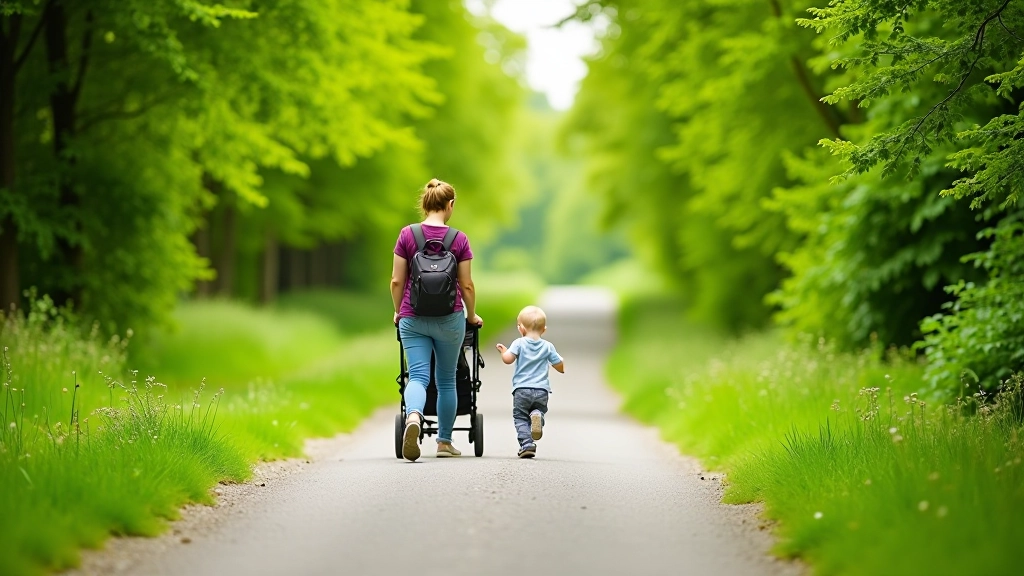
Five excellent trails within 30 minutes of the city where you can push a stroller without struggling with terrain. Paved paths, minimal elevation changes, and actual shade.
Read GuideTrails with interactive learning stops teach kids about geology, plants, and animals. We’ve tested them — children stay engaged the whole way.
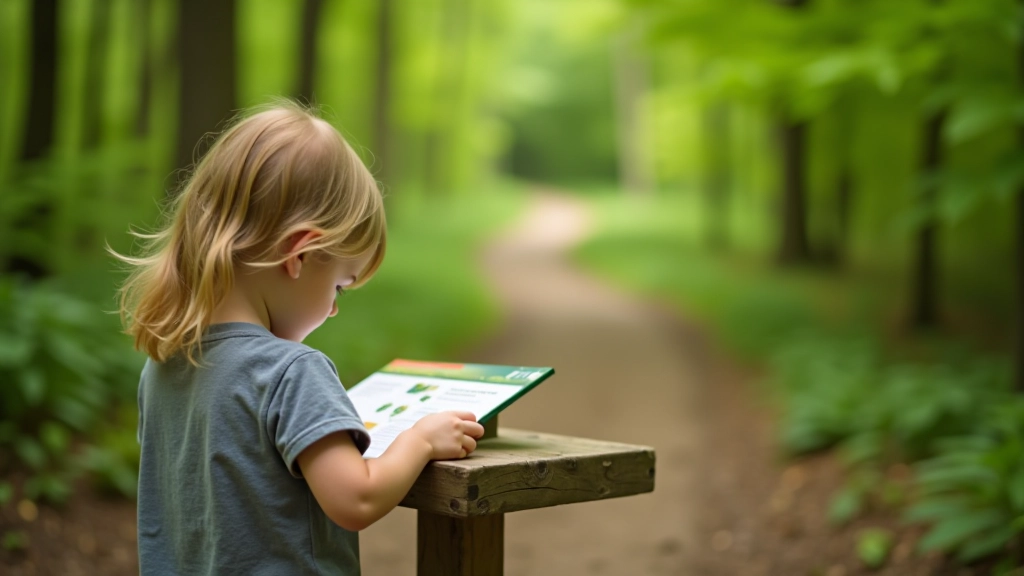

Most kids think hiking means walking for hours without anything interesting happening. Educational nature trails are different. They’ve got information stops, interactive markers, and activities that actually make kids curious about what they’re seeing.
We’re talking about trails where your child learns to identify plants by their leaves, understands how geological formations happened, or spots animal tracks and figures out what creature made them. The learning happens naturally — without feeling like school.
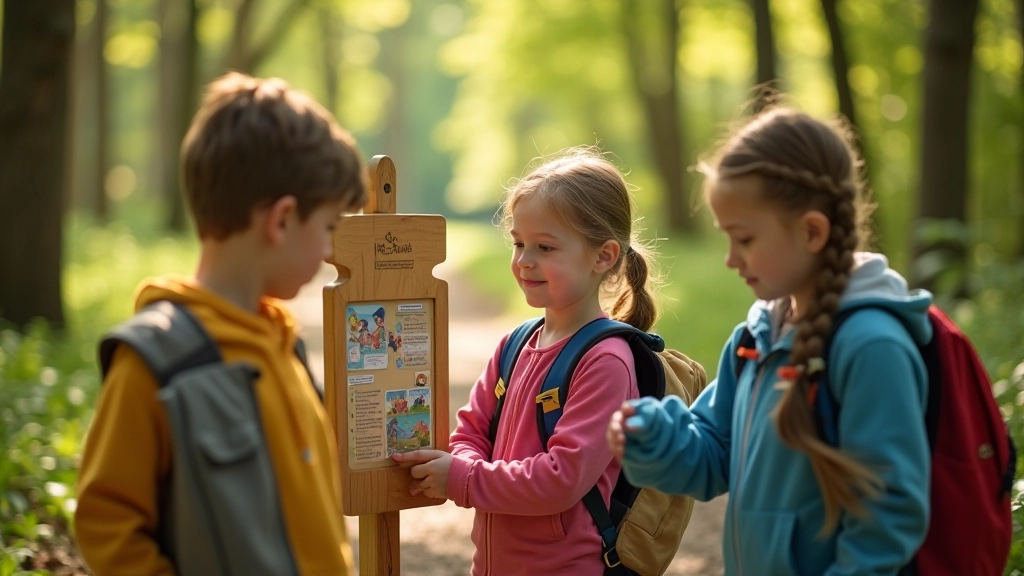
Four key elements that keep kids engaged from start to finish
Wooden or metal signs at key points explain what you’re looking at. Plants, rocks, history, animal behavior — all explained simply. Kids actually stop and read them because they’re curious, not because they have to.
Some trails include finding specific markers or spotting numbered locations. Kids feel like they’re on a real mission, and they’re actually learning orientation and observation skills while doing it.
Collecting leaves for identification, sketching rocks, pressing flowers, or drawing animal tracks. These activities make learning stick because kids are doing something, not just reading.
Designated spots where certain animals are likely to be seen. The trail guides you to habitats — where you’ll find birds, insects, or small mammals. It’s like a treasure hunt but for actual living creatures.
Before you head out, a little preparation makes the whole experience better. You don’t need much — just the right mindset and a few basics.
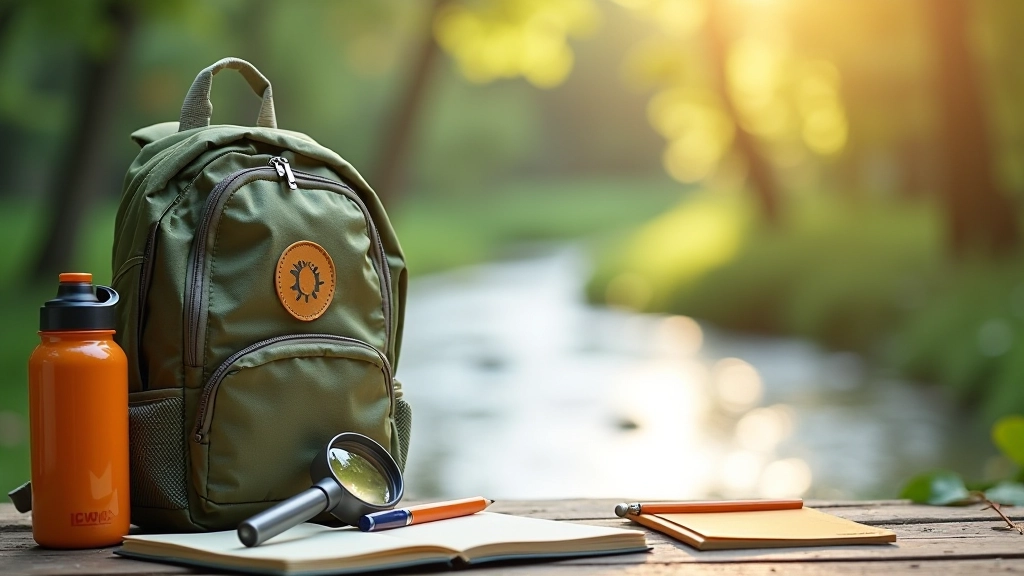
A small backpack with water, snacks, and a simple notebook works great. Many kids like having a pencil for sketching or writing down observations. Some trails suggest bringing a magnifying glass or field guide — check the trail description beforehand.
If your child loves insects, pick a trail known for bug spotting. If they’re into rocks and geology, find one with interesting stone formations. The engagement skyrockets when kids are following their own curiosity rather than yours.
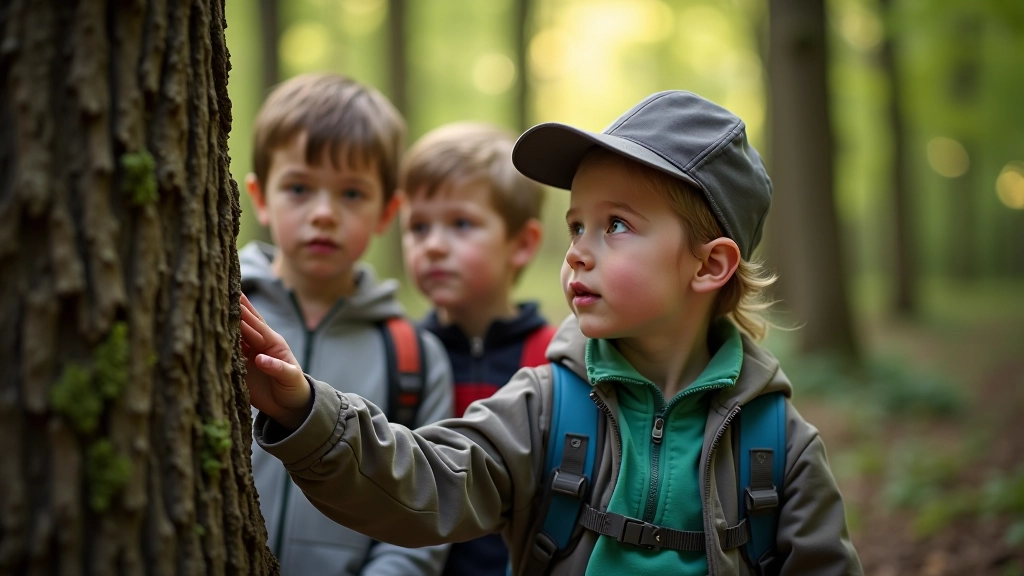
The trail itself is just the beginning. When you get home, keep the learning going for another week or two with simple activities.
Identify what you found — Use a field guide or online resource to name the plants and creatures you sketched. Your child now owns that knowledge.
Create a nature journal — A simple notebook where they draw and write observations. After 3-4 trails, they’ve got a real collection of knowledge.
Visit the same trail in different seasons — The same path teaches completely different lessons in spring versus autumn. Your child sees how ecosystems actually change.
This article provides informational guidance about educational nature trails and outdoor learning activities. Trail conditions, facilities, and educational content vary by location and season. Always check current trail conditions before visiting, bring appropriate safety gear, and supervise children at all times. Safety rules and trail regulations vary — verify requirements with local authorities. We recommend consulting with local environmental educators and rangers for the most current trail information and educational resources specific to your region.
Educational nature trails work because they don’t feel like learning. Your child is exploring, discovering, and having adventures. The education happens naturally because they’re genuinely curious about what they’re seeing.
Start with a trail that matches your child’s interests, bring basic supplies, and let them lead the pace. You’ll be surprised how much they notice and remember when they’re following their own curiosity. That’s real learning — the kind that sticks with them long after the hike is over.